quicklinks
Thank you! Your submission has been received!
Oops! Something went wrong while submitting the form.
Thank you! Your submission has been received!
Oops! Something went wrong while submitting the form.
School is not only about what happens in the classroom.
For children and teenagers, some of the most meaningful moments of growth happen when they try something new, join a team, take creative risks, contribute to a cause, or discover an interest they did not know they had.
This is why extracurricular activities play such an important role in child development. They help students build confidence, friendships, resilience, creativity, leadership skills, and a stronger sense of who they are.
In an international school environment, extracurricular activities also offer students the opportunity to connect across cultures, explore new perspectives, and develop the skills they need to thrive in a changing world.
Children do not always know what they love until they have the opportunity to try.
Extracurricular activities give students space to explore different areas beyond the academic curriculum, from arts and athletics to service, technology, music, leadership, and global issues.
At the American School of Paris, students can take part in a wide range of activities across divisions, including Art Club, Lego Club, Innovation Club, FIRST Lego League, Model UN, Jazz Band, Drama Club, Green Team, Student Council, Amnesty International, and many more.
This variety matters because it allows students to personalize their school experience. A child who enjoys building may discover engineering through Lego Club or robotics. A student interested in global affairs may find their voice through Model UN or Amnesty International. A creative student may grow through Art Club, Drama Club, INK Magazine, Rebel TV, or music ensembles.
These early discoveries can become lasting passions, future academic choices, or even career interests.
Trying a new activity requires courage.
Whether a student joins a sports team, performs on stage, publishes writing, builds a robot, or speaks in a debate, they learn to step outside their comfort zone.
This process helps children develop confidence gradually. They experience effort, feedback, progress, and achievement in a setting that is often more flexible than a traditional classroom.
For younger students, activities such as Fun Club Sports, Mini Yoga, Mini Tennis, Art Club, or Beginner Violin help build coordination, self-expression, focus, and confidence in a supportive environment.
For older students, opportunities such as Student Council, National Honor Society, Model UN, Drama Club, Yearbook, or service clubs help develop independence, responsibility, and leadership.
In each case, students learn that growth comes from participation, practice, and persistence.
Extracurricular activities give students a different way to connect with others.
They bring together students who may not share the same classes, grade level, language background, or cultural experience, but who share a common interest.
Through these activities, students learn to:
This is especially valuable in an international school, where students are part of a highly diverse community.
Activities such as team sports, musical ensembles, theater productions, Student Voice, service clubs, and collaborative design projects help students feel connected, supported, and seen.
Creativity is not limited to the arts.
Students express creativity when they write, design, build, perform, solve problems, lead a project, or find a new way to approach a challenge.
At ASP, activities such as Art Club, Ceramics, Sewing and Fibers Club, Musical Theater Club, INK Magazine, Rebel TV, Jazz Band, The Trebels, and private music lessons give students multiple ways to
explore their voice and imagination.
Other activities, such as Interactive Design, Innovation Club, FIRST Lego League, and Yearbook, combine creativity with technology, collaboration, and real-world problem solving.
These experiences help students develop confidence in their ideas and understand that learning can be active, creative, and deeply personal.
A strong education should support the whole child.
Extracurricular activities help students balance academic work with movement, creativity, service, and personal interests. This balance is essential for well-being.
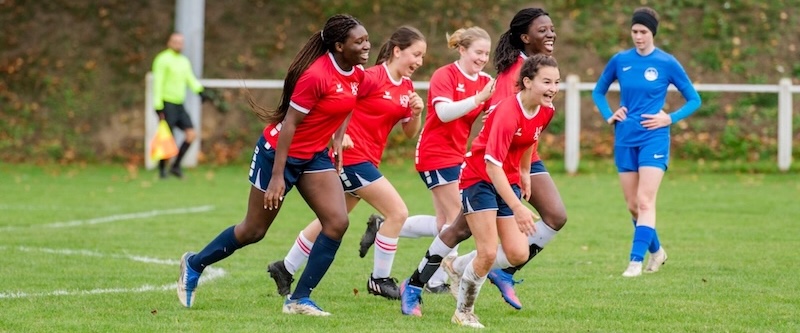
Sports and physical activities such as soccer, basketball, cross country, biking, volleyball, pickleball, tennis, and running club help students develop fitness, teamwork, discipline, and resilience.
Mindfulness, Mini Yoga, and Yoga support focus, emotional regulation, and the ability to manage energy after the school day.
These experiences help students build healthy habits and understand that success is not only academic. It is also physical, emotional, social, and personal.
As students grow, extracurricular activities become powerful spaces for leadership.
They allow students to take initiative, organize events, represent peers, support causes, and contribute to the wider community.
At ASP, students can develop leadership through activities such as Student Council, Student Voice, National Honor Society, Green Team, Amnesty International, Model UN, India Club, Kenya Club, Romania Club, and Sumba Club.
These activities help students understand that their voice matters. They learn to advocate, listen, plan, collaborate, and act with purpose.
For international students, this kind of experience can be particularly meaningful. It helps them develop global awareness, empathy, and a sense of responsibility beyond themselves.
Extracurricular activities are not just “extras.”
They help students build a richer and more authentic profile over time.
Universities increasingly look for students who demonstrate curiosity, commitment, initiative, and meaningful engagement beyond grades. Activities can help students show who they are, what they care about, and how they contribute to a community.
A student interested in environmental science may deepen that interest through Green Team, AP Environmental Science, and service work. A student drawn to media may combine English, film, Rebel TV, and Yearbook. A student passionate about technology may connect computer science courses with FIRST Lego League or Interactive Design.
This is where extracurricular activities support personalization. They allow students to go further in areas that matter to them and to develop their full potential across academics, creativity, leadership, and service.
At the American School of Paris, extracurricular life is an important part of the student experience.
Students can explore opportunities in:
From Lego Club and Art Club in the Lower School to Model UN, Jazz Band, Amnesty International, Green Team, Student Council, and FIRST Lego League in Middle and Upper School, students have access to a broad and evolving range of activities.
Offerings may vary by year, grade level, schedule, and student interest, but the purpose remains the same: helping students explore who they are, build confidence, and grow as well-rounded individuals.
One of the distinctive aspects of the American School of Paris is its campus culture, inspired by the broader American educational model.
For many students, learning does not stop when classes end. The campus remains an active environment where students continue to create, collaborate, practice sports, rehearse performances, work on projects, or simply spend time together as part of a vibrant international community.
This atmosphere encourages students to become more engaged in school life, develop stronger social connections, and explore interests beyond academics.
Whether through athletics, arts, leadership opportunities, service clubs, STEM activities, or student media, extracurricular life at ASP helps create a more complete educational experience — one that supports both personal growth and a genuine sense of belonging.
👉 Discover our American-style school campus near Paris
The benefits of extracurricular activities go far beyond a single club, team, or performance.
They help children develop the confidence to try, the resilience to continue, the curiosity to explore,
and the sense of belonging that makes school meaningful.
For families evaluating international schools, extracurricular opportunities are therefore an
important sign of a school’s educational philosophy.
They show whether a school is committed not only to academic excellence, but also to the
development of the whole child.
At ASP, this holistic approach helps students build personalized pathways, discover their strengths,
and prepare for life beyond school.
👉 Explore after-school activities at ASP
👉 Learn more about student life at ASP
Extracurricular activities help children develop confidence, social skills, creativity, resilience, leadership, and a stronger sense of identity.
They support holistic development by giving students opportunities to explore interests, build friendships, develop new skills, and contribute to the school community.
Yes. Meaningful extracurricular engagement can help students show initiative, commitment, leadership, and personal interests beyond academic results.
International schools often offer activities in arts, sports, music, technology, service, leadership, academic enrichment, and global citizenship.
Yes. Age-appropriate activities help younger children build confidence, coordination, creativity, social skills, and a positive relationship with school.